Steering and suspension problems can start small. A clunk over a bump, a steering wheel that feels a little loose, or tires wearing faster on one edge may not seem urgent at first. The vehicle still moves, so it is easy to keep driving and hope the problem stays the same.
The trouble is that steering and suspension parts help control where the vehicle goes, how the tires contact the road, and how stable the car feels when braking or turning. When one part wears or loosens, the rest of the system can start working harder. These six problems should be checked before they turn into tire damage, poor control, or unsafe handling.
1. Loose Or Wandering Steering
A vehicle should respond predictably when you move the steering wheel. If it wanders in the lane, feels loose on the highway, or needs constant correction, something is not right. The cause may be worn tie rods, ball joints, steering rack issues, control arm bushings, alignment trouble, or tire wear.
Loose steering can be tiring on long drives, but it can also reduce control during quick maneuvers. If the vehicle feels like it doesn't want to stay centered, the steering and suspension should be inspected before the looseness worsens.
2. Clunking Over Bumps
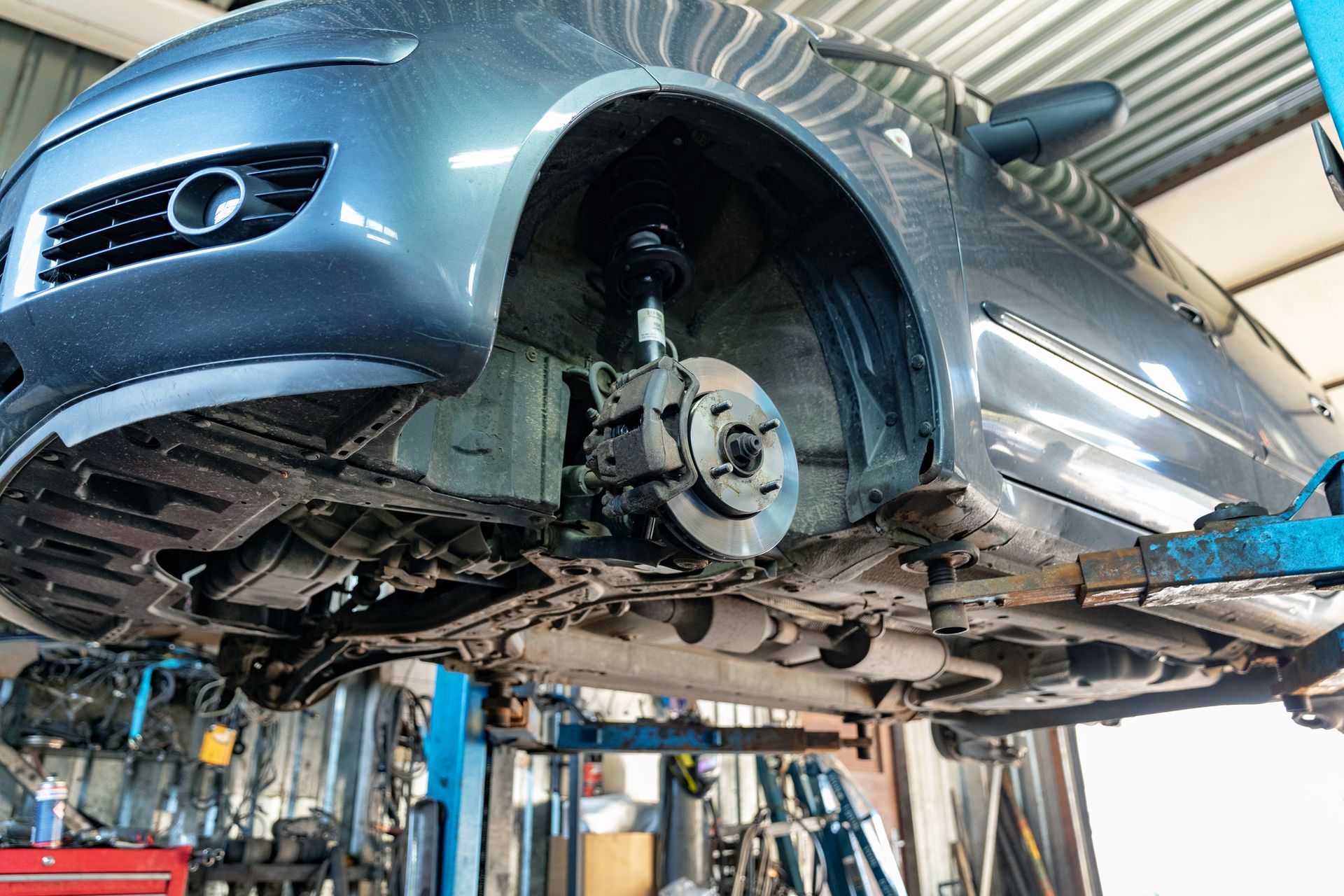
A clunk over bumps usually means something is moving too much. Control arm bushings, sway bar links, strut mounts, shocks, ball joints, and loose hardware can all make knocking sounds when the suspension moves.
Some clunks are louder at low speeds. Others show up when turning into driveways, crossing speed bumps, or driving over rough pavement. A clunk may not mean a part is about to fail immediately, but it does mean the system needs attention. Misaligned parts can damage tires, affect alignment, and cause additional wear nearby.
3. Pulling To One Side
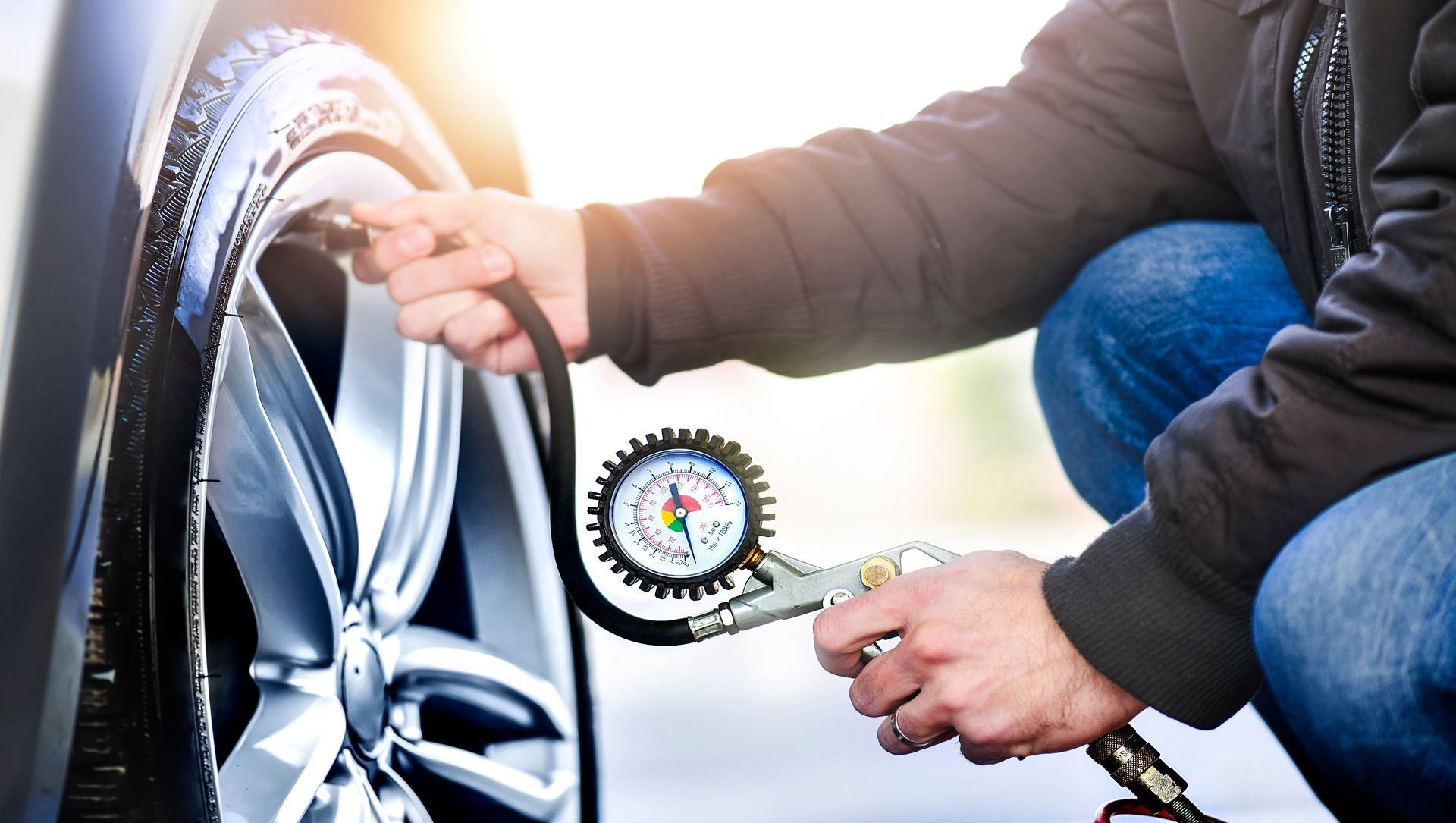
If the vehicle pulls left or right, the cause should be found. Alignment is one possibility, but it is not the only one. Tire pressure, uneven tire wear, brake drag, bent wheels, worn suspension parts, and steering problems can all make a vehicle pull.
Pulling can become more noticeable during braking, acceleration, or highway driving. If you have to keep steady pressure on the wheel to stay straight, the tires may be scrubbing against the road. That can shorten tire life and make the vehicle less predictable in traffic.
4. Uneven Tire Wear
Tires often reveal suspension problems before the driver feels a major change. Inner-edge wear, outer-edge wear, cupping, feathering, or one tire wearing faster than the others can point toward alignment, shocks, struts, bushings, ball joints, or steering wear.
Replacing tires without finding the cause can be expensive. New tires may start wearing the same way if the suspension or alignment issue persists. Regular maintenance helps catch tread wear early, when there is still time to correct the cause before a full set of tires is damaged.
5. Steering Wheel Vibration
A shaking steering wheel can be caused by tire imbalance, bent wheels, damaged tires, brake rotor issues, worn steering parts, or suspension wear. The speed and timing of the vibration help narrow the cause.
If the vibration happens at highway speed, tire balance or wheel damage may be involved. If it happens mainly while braking, rotors or brake parts may be part of the problem. If it comes with looseness, clunks, or pulling, steering and suspension parts need a closer look.
Vibration should not be ignored because it usually means something is not rotating, holding, or moving correctly. The longer it continues, the more stress it can place on surrounding parts.
6. Excessive Bouncing Or Nose-Diving
Shocks and struts help control vehicle movement. When they wear out, the vehicle may bounce after bumps, dip forward during braking, squat during acceleration, or feel floaty on uneven roads. That movement affects more than comfort.
Weak shocks or struts can reduce tire contact with the road. That can affect braking distance, tire wear, and stability during turns. The change often happens gradually, so drivers may not notice until the vehicle feels loose or the tires begin to cup.
If the vehicle keeps bouncing after a bump or feels unsettled during normal driving, the suspension should be checked.
Why Steering And Suspension Problems Should Be Checked Early
Steering and suspension parts work together. A worn bushing can affect alignment. A loose tie rod can affect steering response. Weak shocks can damage tires. A bent wheel can feel like a suspension issue. One worn part can create symptoms across several systems.
A proper inspection should include tires, wheels, alignment angles, shocks, struts, control arms, bushings, ball joints, tie rods, sway bar parts, and related brake components, as needed. The goal is to find the cause, not just quiet the symptom for a short time.
Get Steering And Suspension Repair In Bloomingdale, GA, With Elton's Auto
If your vehicle clunks, pulls, wanders, vibrates, bounces, or wears tires unevenly,
Elton's Auto in Bloomingdale, GA, can inspect the steering and suspension system and explain what needs attention.
For steering and suspension repair before small handling problems become larger safety concerns,
contact us to schedule an appointment.